
The Tickler File’s Future Arrives
Getting Things DoneA simple dated-folder mechanism gives physical reminders a dependable route back into attention at the right time.
increasing Bearing strength in each event
 decreasing
Bearing strength in each eventdecreasingA Future Reminder Needed
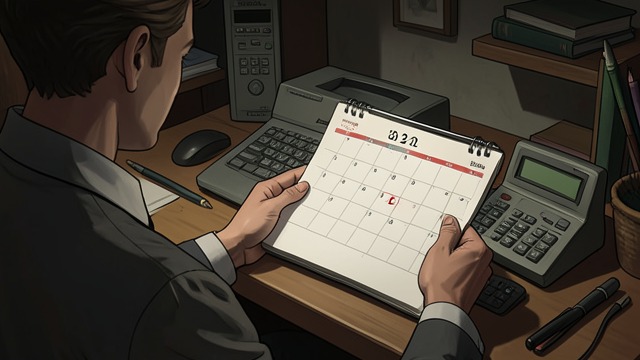
Holding an Item for Later
Not Now, Not Forgotten
A person encounters information that may matter later but does not justify action today. It may be an event notice, a document for a future meeting, or a decision that needs time.
Leaving it in an ordinary pile would mix it with current work and risk either neglect or repeated reconsideration.
A Scheduled Return
The item needs a trustworthy way to reappear when it becomes relevant. A calendar note can handle some reminders, while physical material may benefit from a dated folder.
The problem is not postponement itself; it is postponement without a reliable return point.
Forty-Three Folders
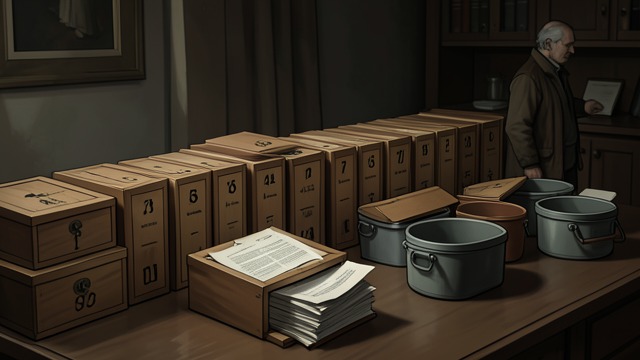
Building a Perpetual File
Daily and Monthly Slots
Allen describes a system with thirty-one numbered daily folders and twelve month folders. The arrangement keeps near-term days in order and provides a place for reminders farther in the future.
Physical papers can be placed directly into the folder for the date on which they should return.
Moving the Cycle Forward
Each day’s folder is emptied and moved to the back of the sequence. When a month folder reaches the front, it too is emptied and refiled for the next year.
The mechanism turns a static collection of dates into a continually advancing reminder cycle.
The Daily Folder Opens
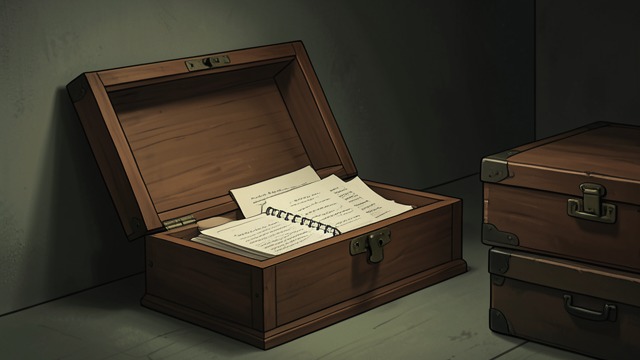
Receiving the Scheduled Material
A Small Daily Action
The user opens the folder assigned to the current day and moves its contents into the incoming area. This brief action brings selected papers back into view at the intended time.
The folder may contain tickets, instructions, agendas, or another physical prompt.
A Return to Processing
Once released, the material is processed like any other input. It may require an action, serve as reference, or simply inform the day.
The dated system does not decide what the item means; it ensures that the item can be reconsidered when its time arrives.
Reliability Requires Upkeep

The Fragile Point
A Missed Folder
If the user forgets to open the daily folder, confidence in the system can weaken. Important material might remain out of sight, encouraging the user to track it mentally or through a competing reminder.
The system therefore depends on a small but consistent daily behavior.
Planning Around Absence
Travel and weekends require checking the relevant folders ahead of time. The user must account for days when the ordinary routine will not happen.
The tickler file is dependable only when its maintenance is included in the workflow.
The Reminder Returns on Time
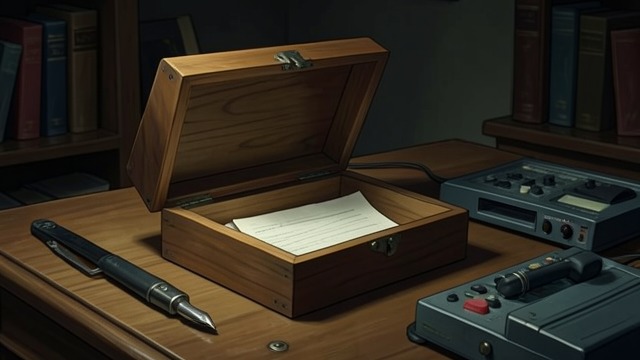
Deferral with Confidence
A Physical Prompt Resurfaces
The intended date brings the stored item back into the person’s attention without requiring the original commitment to remain active in memory. The user can now decide whether to act, defer again, or discard it.
The reminder has been postponed, not abandoned.
A Small Mechanism, Broad Value
Allen presents the system as a low-effort way to manage future options and physical documents. Its value depends on matching the reminder to a date when attention can be useful.
A dependable return point makes it easier to be comfortable with “not now.”
When an item has no present action
At the setup of the tickler system
Each morning in the tickler routine
When the user misses a daily check
When a scheduled date arrives
